Introduction
Science that stays close
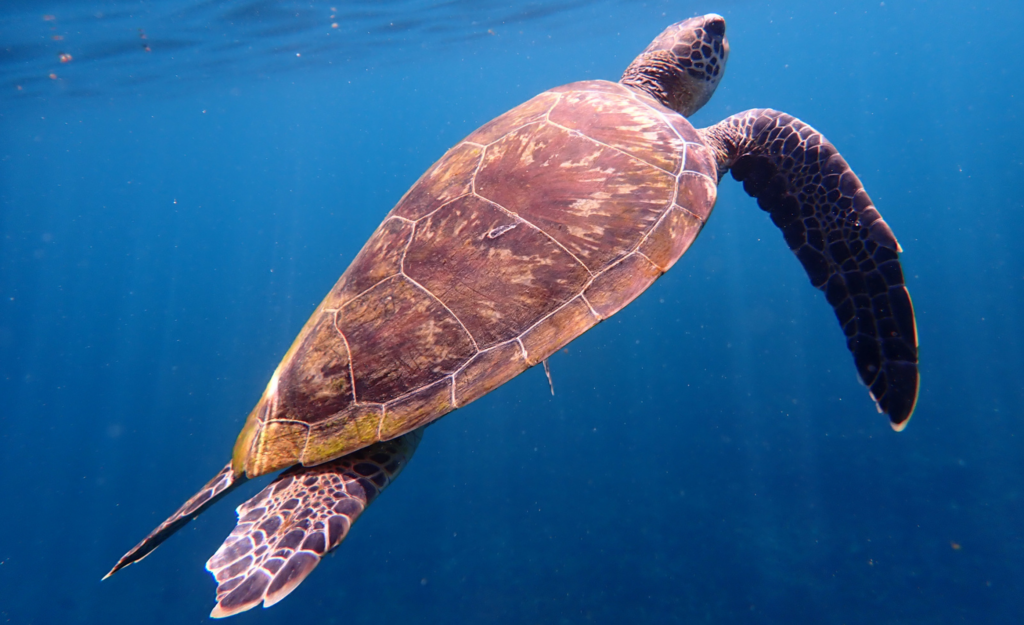
Photo identification gives us a simple, non-invasive way to recognise individual turtles by the unique scale patterns on their faces. Over time, these images help us understand how turtles use the waters and beaches of Kenya’s North Coast.
Because the method is visual and practical, it can bring together community members, fishers, visitors, and conservation teams around shared knowledge. The result is research that feels useful, local, and rooted in care.
How Photo-ID works
A few clear steps can turn a simple sighting into knowledge that supports long-term protection on the North Coast.
01
Take a clear photo
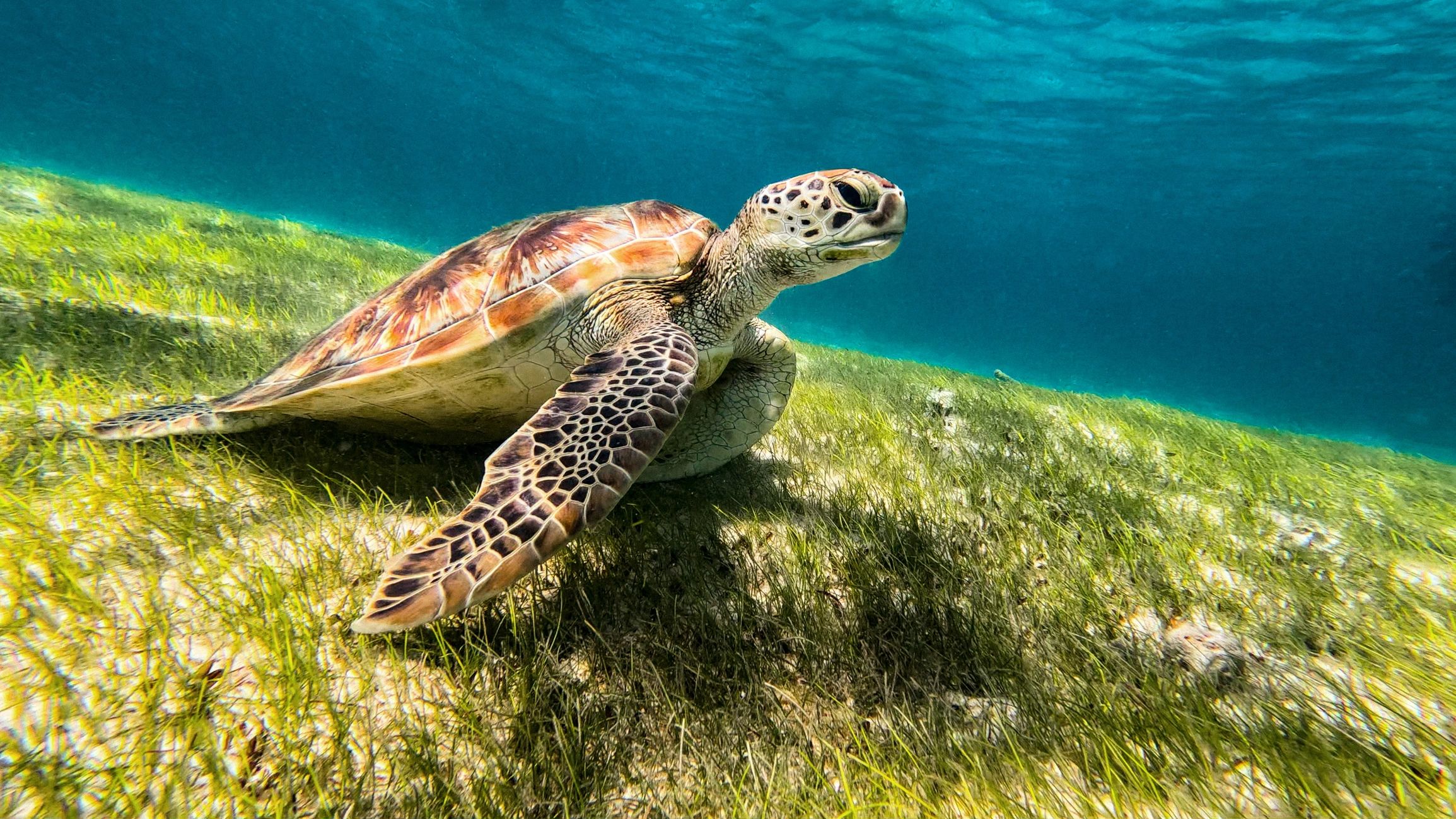
When it is safe and respectful to do so, we photograph the side of a turtle’s face so the scale pattern can be seen clearly.
02
Match individuals
Those images are compared over months and years to see whether the same turtle has been recorded before.
These records help us learn about movements, site fidelity, and survival in ways that are easy to share with local communities and visitors alike.
03
Build local records
Each confirmed sighting adds to a growing picture of where turtles are feeding, resting, or returning along the coast.
04
Guide protection
Better information helps shape practical decisions, from awareness work to stronger protection in places that matter most.
Anyone can help
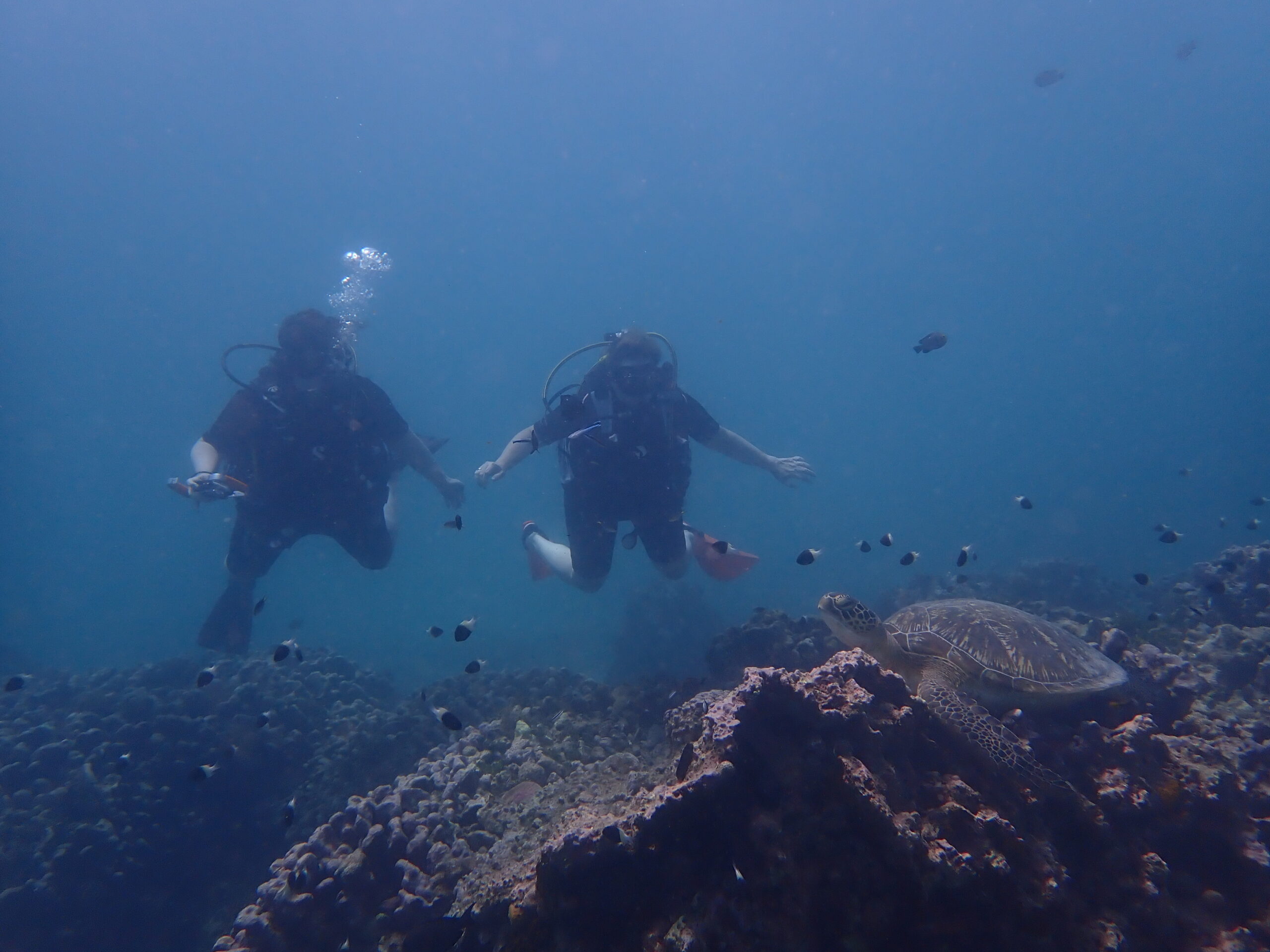
Citizen science invites visitors, fishers, guides, and community members to become part of the story. A single photo, shared at the right time, can help identify an individual turtle and strengthen what we know.
Useful photos are simple: take a clear side view of the face, note where the turtle was seen, and share the image with the Pwani Bora team. By contributing in this way, people help build knowledge that stays with the coast.
Why it matters
Knowledge that serves the coast
When communities and partners can see patterns over time, protection becomes more focused and more effective. Photo-ID helps turn sightings into practical insight.
It also strengthens local ownership of conservation data. Instead of knowledge sitting far away, it can be built and understood by the people who live and work alongside these turtles.
That is how research becomes part of stewardship: grounded in place, shared across the community, and shaped by the wider goal of a thriving North Coast.
Be part of the record
Whether you share a photo, support fieldwork, or help spread the word, you can strengthen community-led turtle research on Kenya’s North Coast.
Rooted in the coast, rising with the tide.