Our Work
Anti-Poaching
Protecting marine wildlife starts with trusted local action, every day and every night.
Overview / Why it matters
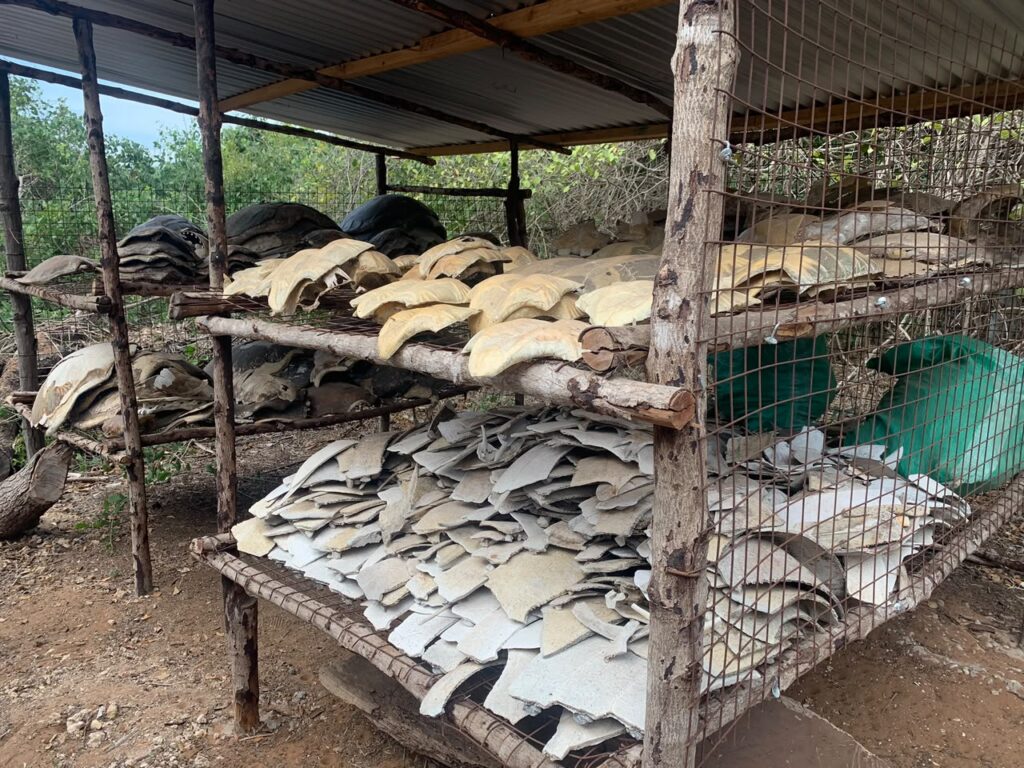
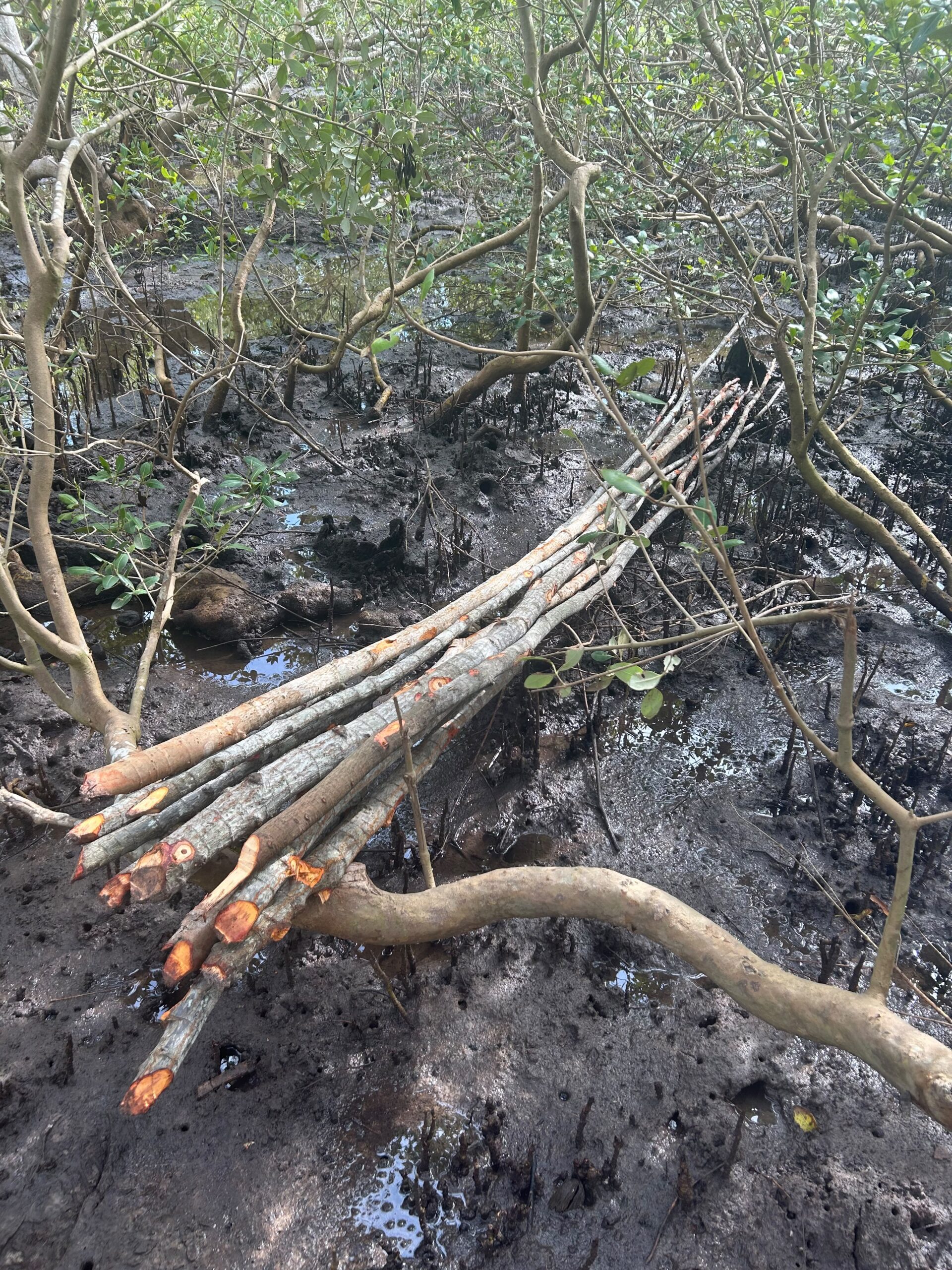
Illegal take of marine fauna and flora puts already vulnerable coastal ecosystems under even greater pressure. When turtles, sharks, rays, reef species, seagrass areas, mangroves, and other marine resources are removed unsustainably, the damage reaches far beyond a single incident. It weakens breeding populations, disrupts food webs, and reduces the resilience of habitats that protect the Swahili Coast.
For communities who depend on a healthy ocean, prevention matters just as much as response. Fisheries, tourism, shoreline protection, and cultural connections to the sea all rely on living ecosystems that can recover and thrive. When poaching and illegal extraction go unchecked, livelihoods become less secure and the long-term health of the coast is put at risk.
Pwani Bora’s response is community-led, practical, and rooted in place. We work with local knowledge, trusted relationships, and strong partnerships to help prevent harm before it happens, strengthen reporting and coordination, and support protection efforts that benefit both people and nature.
Key activities
What anti-poaching looks like on the ground
Day and night patrols
Regular patrols help deter illegal activity across key coastal and marine areas, both independently and in joint operations with Kenya Wildlife Service.
Trained local team
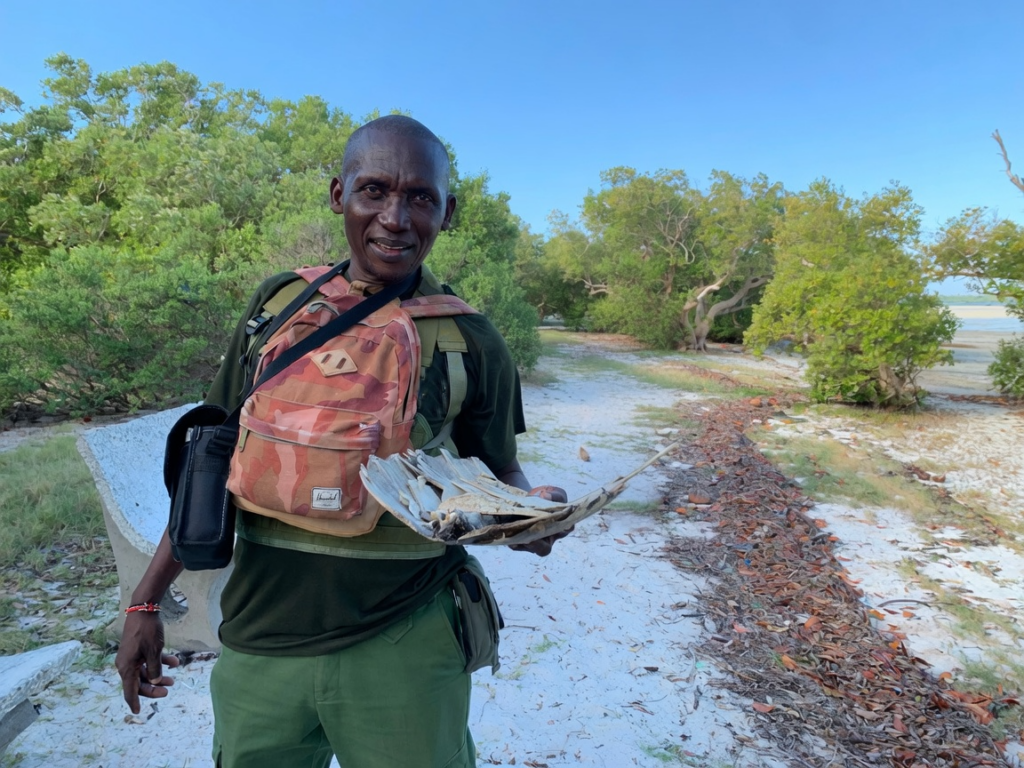
A skilled local team brings daily presence, coastal knowledge, and rapid response capacity grounded in the realities of Watamu and the wider coast.
Training and support
We help strengthen anti-poaching efforts beyond our own team through shared learning, practical mentoring, and support for tools such as SMART.
Monitoring and evaluation
Patrol data helps us understand trends, improve decision-making, and adapt our response based on what is happening in the field.
Strategic partnerships
Protection is stronger when institutions, communities, and conservation partners work together with clarity, trust, and shared purpose.
Community reporting
Trusted local relationships make it easier to share concerns early, improve coordination, and support prevention before damage is done.
How we work
Protection rooted in community
Help protect the coast we share
Stand with coastal communities working every day to protect marine wildlife, habitats, and the future of the Kenyan Coast.
You can support this work by giving, volunteering, or partnering with Pwani Bora.